
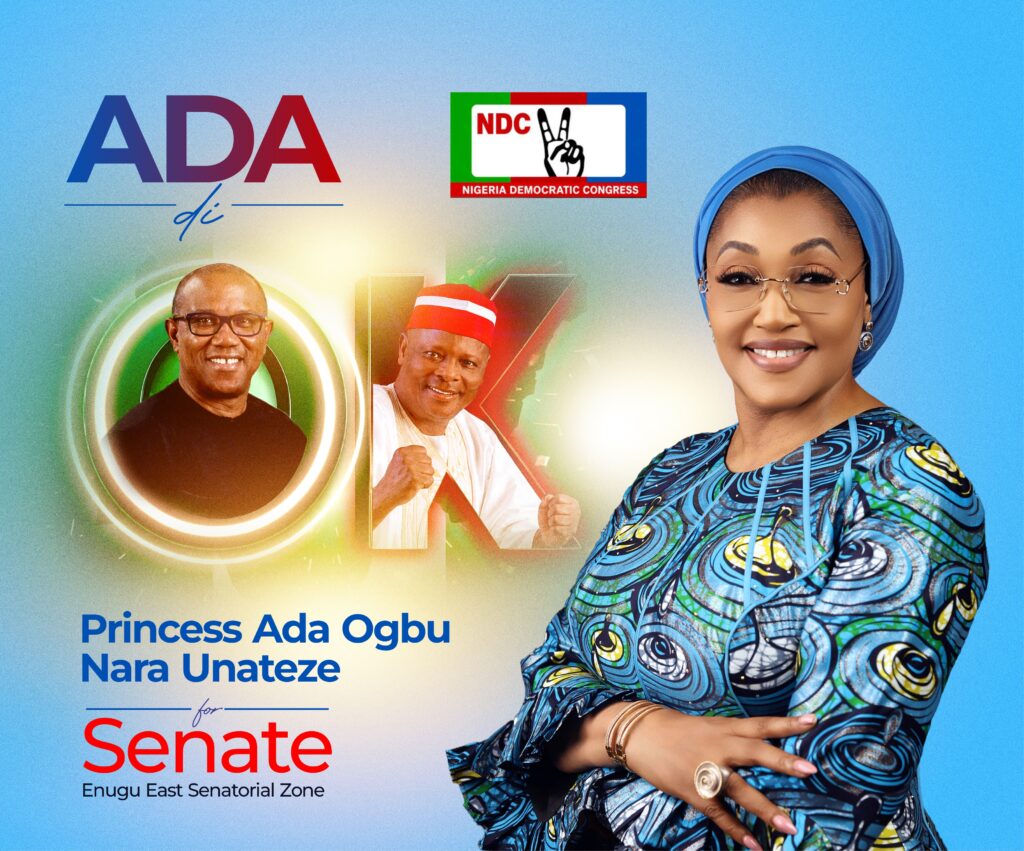


Presidential candidate of the Nigeria Democratic Congress (NDC), Peter Obi, has reaffirmed his support for the removal of petrol subsidy, arguing that the problem is not the policy itself but the alleged mismanagement and diversion of the resources recovered from it.
Obi stated this on Monday at a conference organised by the Nigerian Bar Association (NBA) in Port Harcourt, Rivers State, where he argued that subsidy removal should have been accompanied by deliberate investments in critical sectors such as healthcare.
The former Anambra State governor said the resources saved from subsidy removal should have been channelled into projects that directly improve the lives of Nigerians rather than being mismanaged.
“Well, I subscribe and I maintain that you need to remove subsidy. Mismanagement of the proceeds should not be the reason for not removing it. What we should have done is that when we remove subsidy, we would have given the people alternative usage for the subsidy,” Obi said.
“What we have today is that that removal and the attendant resources being recovered is also being mismanaged and stolen.”
Obi, who said he had consistently advocated subsidy removal, maintained that his position would be to eliminate the subsidy in an organised manner while ensuring that the resulting savings were transparently invested.
“We will do it in an organised manner and whatever we recover will be invested appropriately,” he said.
Using healthcare as an example, Obi argued that even a fraction of the resources reportedly recovered from subsidy removal could significantly transform Nigeria’s primary healthcare system.
He cited what he described as Nigeria’s poor state of primary healthcare and concerns surrounding maternal and child health, saying funds could be used to establish functional primary healthcare centres across the country’s wards.
“Let’s say you remove subsidy and you decided number one thing a nation needs to develop is health. And today, our health is very poor, our primary health care is very poor,” he said.
Obi said that based on his calculations, allocating five per cent of the approximately N16 trillion reportedly recovered from subsidy removal would amount to about N800 billion, which he argued could finance primary healthcare centres across thousands of wards.
“If you decide today, our biggest problem is issue of primary health care. If you decide to put primary health care in each ward, just each ward, today it will cost you, from our own studies, an average of 100 million Naira for one,” he said.
He also highlighted kidney disease and dialysis treatment as another area where subsidy savings could be deployed, arguing that Nigeria requires significantly more dialysis centres and machines.
According to Obi, investment in such critical infrastructure would provide tangible benefits to citizens and demonstrate that the sacrifice associated with subsidy removal was producing measurable results.
He further argued that the government could alternatively have saved the resources in the country’s sovereign wealth fund to strengthen Nigeria’s financial position.
“So don’t say because people use the money they are supposed to utilise very well for party and you say no, we should bring back,” Obi said.
The NDC presidential candidate also criticised what he described as a disconnect between government austerity demands and the conduct of public officials.
“What I’ve said is that people in government have asked Nigerians to fast. They cannot be feasting when Nigerians are fasting,” he said.
Responding to references to government health initiatives, including cancer treatment programmes, Obi questioned their reach and effectiveness.
“I can tell you there’s none. I’m going around. I don’t believe I physically go around and I can tell you we have less than 10 cancer centres in the whole of Nigeria,” he said.
Obi maintained that the central issue was therefore not whether petrol subsidy should be removed, but whether government would transparently and efficiently deploy the resources generated from the policy to improve the welfare and living conditions of Nigerians.


