


The presidential campaign of Peter Obi and Rabiu Kwankwaso under the Nigeria Democratic Congress (NDC) has introduced a candidate surveillance system and a grassroots monitoring structure to track campaign activities, identify areas with weak mobilisation and strengthen its preparations for the 2027 general elections.
The Director-General of the Obi-Kwankwaso Presidential Campaign, Alhaji Ibrahim Hussain Abdulkarim, disclosed this in an interview with NJENJETV, explaining that the measures were designed to prevent a repeat of the challenges the campaign encountered during the 2023 elections.
Abdulkarim said the surveillance system, integrated into one of the campaign’s digital applications, uses field operatives across local government areas to monitor candidates’ activities, campaign engagements, rallies and the use of campaign materials.
He explained that the operatives receive stipends to move around their respective areas, gather information and report their findings through the application.
“We have what is called a candidate surveillance system. The candidate surveillance system is an apparatus we put together in one of our applications that we are using to be reporting. We have some people that are reporting from each local government for us. They move around, we give them some small stipends to move around and see and listen,” he said.
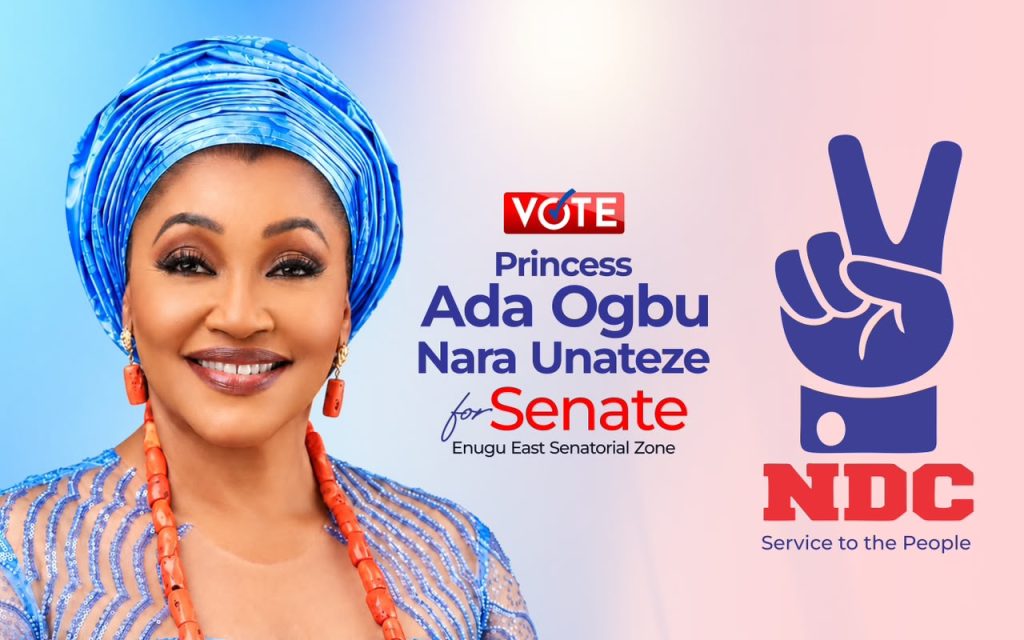
According to him, the monitoring exercise is also intended to identify cases where candidates allegedly use posters featuring Peter Obi alongside candidates from other political parties, a practice he said had been observed in different parts of the country, including the South-East.
“We want to see how many rallies and how many engagements you are doing, who are you meeting,” he added.
The campaign director-general said candidates would be assessed and classified according to their level of commitment and performance, with the campaign providing additional support, including posters and other materials, to those considered active and serious.
He explained that the structure also includes coordinators at the state and local government levels, each with specific responsibilities for coordinating party officials, candidates, support groups and other Nigerians willing to support the NDC ticket.
Abdulkarim further disclosed that the campaign was adopting a layered mobilisation strategy to identify constituencies where the party had not fielded candidates and fill the gaps through existing support structures.
He said the NDC had presented 99 senatorial candidates, leaving 10 senatorial districts without its candidates, while it had also registered candidates for about 330 of the 360 House of Representatives seats.
He added that the party had recorded close to 1,000 candidates for State Houses of Assembly elections.
According to him, the campaign was mapping these candidates and their constituencies against the reach of groups such as the Kwankwasiyya movement, the Obidient Movement, corps members and other support organisations to determine areas requiring additional mobilisation.
“We try to do what is called layering. So we put all this down, we can see the spaces where we don’t have anybody. If we don’t have anybody, we have people that belong to Kwankwasiyya, some group that belong to Obidient Movement, Corp Members, or any other group that we have. We have the Village Voice and things like that.
“So we now superimpose those locations and see that, okay, these are the spaces that we are not covered,” he explained.
The campaign chief said even in areas where the party might have limited chances of winning, its supporters would still be deployed to protect its votes and prevent electoral malpractice.
“If we don’t have any chances of winning, we can still send our people that can protect our vote, at least so that we not allow those people to add more vote,” he said.
Abdulkarim argued that Nigeria’s electoral system makes vote protection important across all constituencies, unlike the United States electoral college system, where votes in a state are translated into a predetermined number of electoral votes.
He said the monitoring, candidate assessment and grassroots coordination mechanisms were among the measures being put in place to strengthen the NDC’s electoral preparedness and address shortcomings experienced during the 2023 election.


