
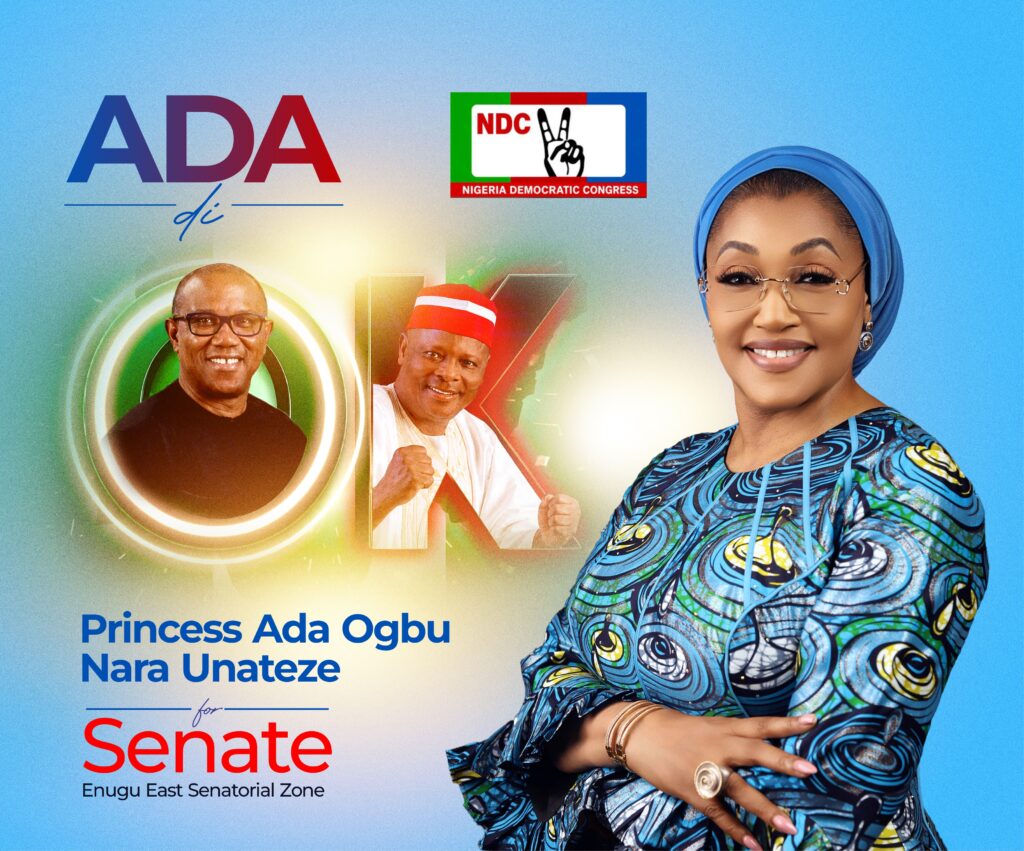


The Nigeria Democratic Congress NDC has announced what it described as affordable nomination fees for aspirants seeking to contest various positions on the party’s platform ahead of the 2027 general elections.
The party, in a statement jointly signed by its National Chairman, Moses Cleopas Zuwoghe, and National Secretary, Ikenna Morgan Enekweizu, released its timetable for the sale of forms, screening of aspirants, and conduct of primary elections.
According to the timetable, the party pegged its presidential form at N60 million, made up of N20 million for the Expression of Interest form and N40 million for the nomination form — a figure political observers say is lower than what some major parties charged in previous election cycles.
The governorship form was fixed at N30 million, while senatorial aspirants are expected to pay N8 million. The House of Representatives form will cost N6 million, while aspirants for State Houses of Assembly are to pay N2.5 million.
The party said the sale of forms would commence on May 13, 2026, and end on May 18, 2026.
“The screening and interview of aspirants, which will determine eligibility for primaries, will hold from Tuesday, May 19, to Thursday, May 21, 2026,” the statement said.
The NDC advised all aspirants to appear for screening with relevant credentials and supporting documents.
The party further disclosed that appeals arising from the screening process would be heard on May 25 and 26, while primary elections for various offices are scheduled for May 27 and 28, 2026.
According to the statement, the presidential primary election will hold on May 29, 2026, in Abuja.
The party also revealed that governorship primaries would be conducted at the local government level.
“All aspirants will be required to sign an undertaking in line with the party’s guidelines and code of conduct,” the statement added.
The NDC assured party members and aspirants of what it described as a transparent, inclusive, and democratic process throughout the primaries.
The party also announced that it would adopt the “open secret ballot” system during the primaries to ensure credibility, fairness, and internal democracy.


