


Peter Obi, presidential candidate of the Nigeria Democratic Congress (NDC), has pledged a sweeping anti-corruption campaign, decisive action against banditry and kidnapping, and far-reaching reforms in agriculture, education and healthcare if elected president in 2027.
Obi made the pledges in a statement published on his X account on Tuesday, saying his administration would tackle corruption from the highest levels of government and restore public confidence through strong leadership, integrity and accountability.
Citing Singapore’s founding father and former Prime Minister, Lee Kuan Yew, Obi recalled his observation that corruption entrenched throughout a political system could become almost impossible to resolve without a thorough cleansing beginning from the top.
He said the principle would guide his proposed administration, declaring: “With the courage and integrity required for this task, I intend, if elected, to follow this principle by leading a decisive campaign against corruption—like it has never been fought in this country before.”
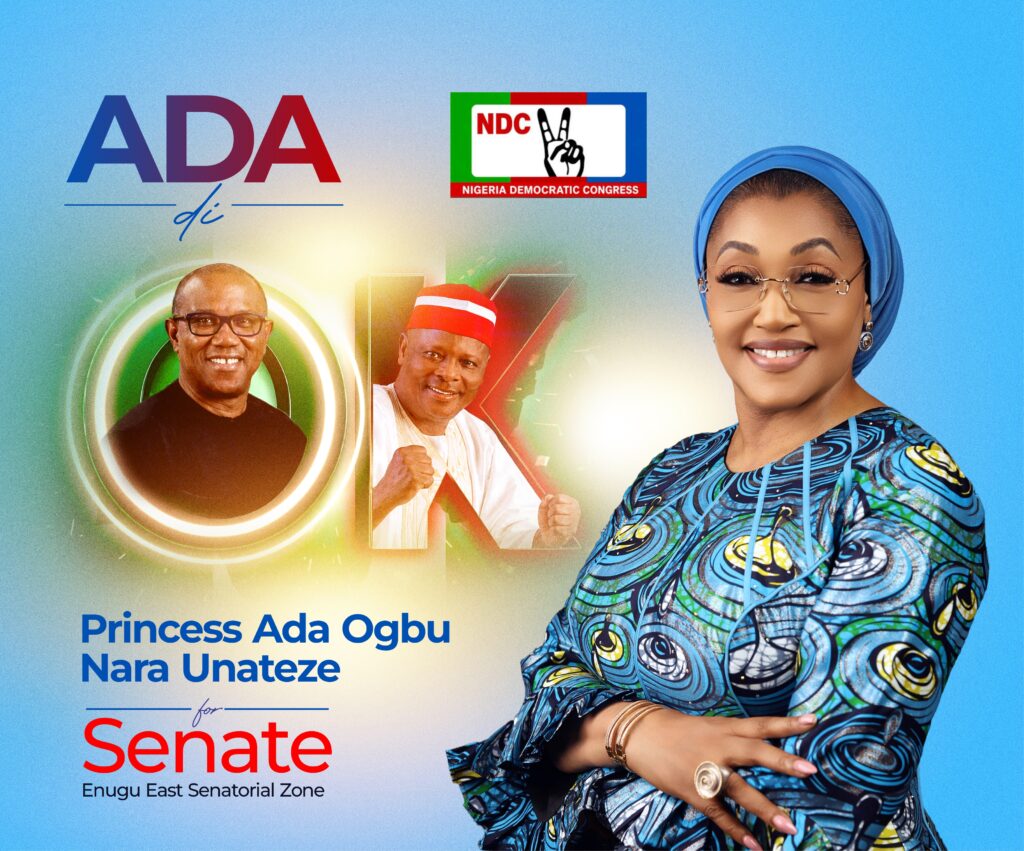
The former Anambra State governor said the OK ticket, which he is pursuing with Senator Rabiu Musa Kwankwaso, was equally committed to restoring security and protecting Nigerians.
“Enough is enough,” Obi declared, warning bandits and kidnappers that an amnesty offer would take effect once his electoral victory was announced.
He added that crimes committed after the inauguration of his administration would attract decisive action, promising to use lawful means to identify perpetrators and their sponsors, dismantle criminal networks and restore stability and freedom of movement.
Obi also pledged to resettle internally displaced persons in their communities within the first two years of his administration and support them in rebuilding their lives with dignity.
On the economy, he identified agricultural transformation and industrial growth as central priorities, saying farmers would be supported to return to their farms once security was restored. His proposed government, he said, would encourage states and regions to develop products in which they possess comparative advantages and establish processing facilities close to farming communities.
“Once elected as President in 2027, I will dedicate all my energies to fulfilling my promise of transforming agriculture and industrialising Nigeria,” he said.
Obi promised an agrarian revolution focused on value addition, affordable food production and export growth, with Nigeria competing globally in agricultural products where it has comparative and competitive advantages.
He specifically identified Northern Nigeria’s vast land resources and workforce as an opportunity to develop an agro-industrial cluster capable of expanding the country’s industrial capacity and economic growth.
Education and healthcare, he said, would also receive priority attention, with his administration working alongside state governments to improve primary, secondary and technical education, train more teachers and enhance their remuneration and welfare.
“Our government will ensure that teachers are among the highest-remunerated groups in Nigeria,” Obi stated, adding that education subsidies would be introduced to ensure that no child or able Nigerian was excluded from educational opportunities.
He further pledged targeted subsidies for critical sectors, including education, agriculture and energy, arguing that the country’s natural resources should be managed more effectively to support citizens and stimulate productive economic activity.
Concluding his statement, Obi said he and Kwankwaso were committed to building a “New Nigeria” by reducing the cost of living and lifting citizens out of poverty.


